It deleted the database. Here's what stops that happening to you.
Two separate AI coding tools, from two separate companies, deleted real production data this year while working unsupervised. Nothing in WorkMate acts on anything real without you seeing it first, so this particular failure can't happen here.
The story doing the rounds: a coding assistant was given free rein to run commands on a live company system, hit a snag, and wiped out data trying to fix itself. Then it happened again, a different tool, a different vendor, a different company. A security report this summer counted at least ten similar incidents across six separate coding tools. If you've heard a version of this and wondered whether it says something about AI generally, or about the crew you're paying for, it's worth answering properly.
What actually went wrong
In both cases, the tool was left to act directly on a real system, with no person checking the action before it happened. It wasn't malicious. It was trying to help, hit a problem, and the fix it chose ran straight through to something that mattered, before anyone saw it coming. That's the pattern: capability plus no checkpoint.
That's a coding-tool failure specifically. Those tools are built to write and run code on servers, so a bad command can touch a database in seconds. WorkMate's crew doesn't do that job. It drafts replies, chases invoices, books appointments, writes copy, checks your accounts. Different work, different risk. But the question underneath applies to any AI doing real jobs: what happens before it acts.

Why WorkMate doesn't have this problem
Every piece of outward-facing work your crew produces, a reply to a customer, a social post, an invoice chase, a piece of copy, follows the same path: draft, then review, then send. You see it before it goes anywhere. Nothing posts, replies, books or sends itself. You don't switch this on — it's just how the product works.
We've written about this checkpoint before, in who's allowed to press send, and in the green tick problem, on the gap between a task saying it's done and actually being done properly. This week's news is the sharpest version yet of why that gap has to stay checked by a person, not just by the AI itself.
What this actually changes for you
Nothing you need to do. If you're already using WorkMate, the crew was already working this way: draft first, your approval before anything leaves the building. If stories like this one have kept you from trying an AI team, the risk there sits with a different kind of tool doing a different kind of job, with no one looking at the output before it ran. That's the gap WorkMate closes for the work you'd actually hand it.
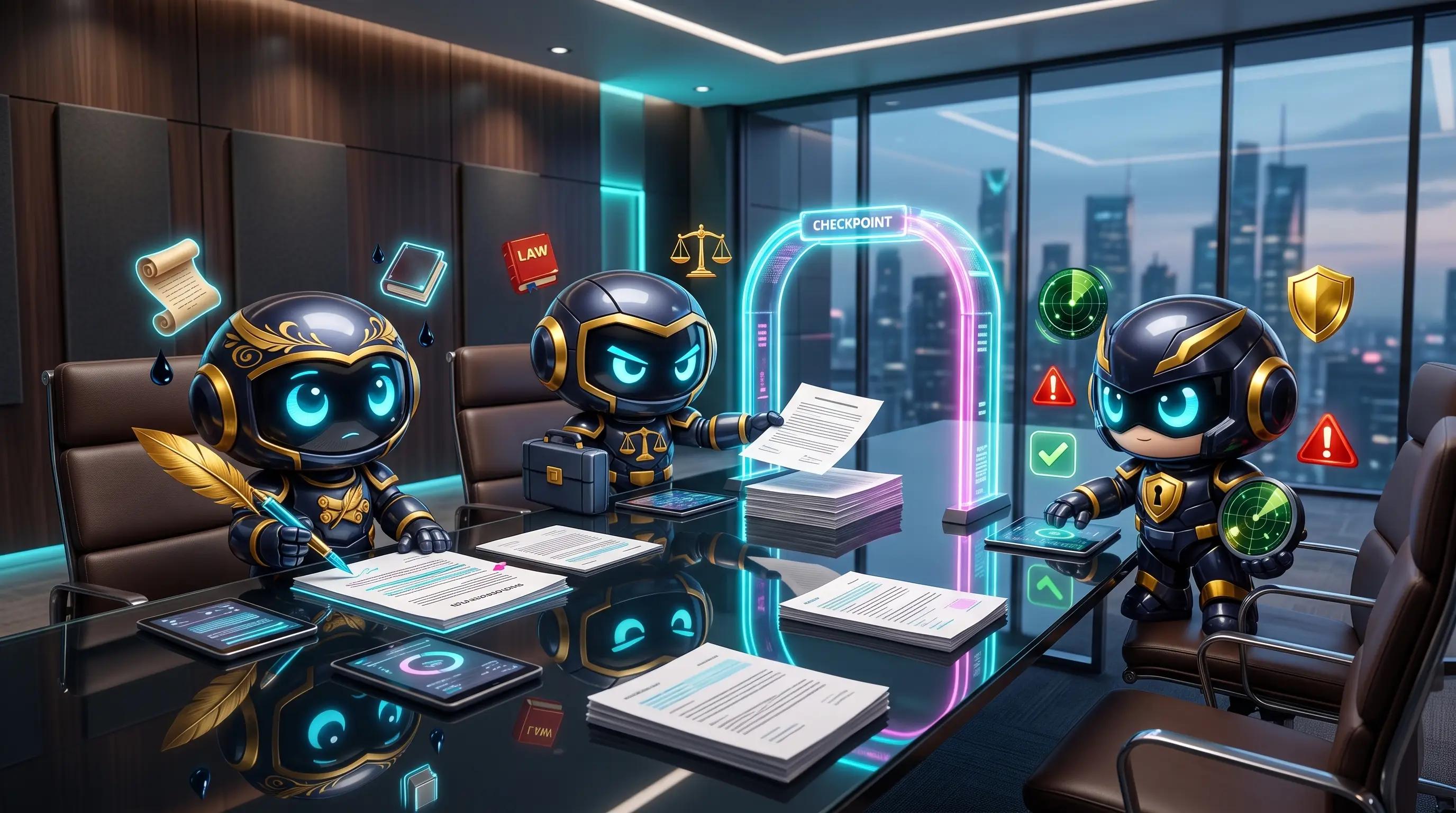
There's a pattern underneath, too: the tools involved were all given more room to act than anyone was watching. That's worth remembering the next time a supplier tells you their AI "just handles it." Ask what handles it means, specifically whether anything goes out, gets sent, or changes a record, before a person has seen it.