The cleverer model still cannot own your Monday.
The useful change in this week’s model news is simple. AI is getting better at carrying a job through several steps inside software. That could take more admin off your desk, but it does not mean you should hand over the keys.
What the news means
OpenAI says its new GPT-6 Astra is state of the art at computer use, browsing and professional work. Google’s current Gemini catalogue is also expanding around voice, transcription, translation, images and longer-running agent work. OpenAI describes the direction here, while Google lists its current model capabilities here.
In practical terms, an AI system can look at the right screen, understand what it sees, move information somewhere else and keep going. That matters when a day is full of small handovers.
An enquiry arrives. Someone checks availability. A booking is offered. A confirmation is sent. A note is added. None of this is difficult. It is easy to leave until later, though, and later is when the lead goes quiet.
The bottleneck is still the handover
Most small businesses do not need an AI wandering freely through every piece of software they own. They need the gap between “I saw that” and “it has been dealt with” to stop swallowing the day.
Better computer use may help software cross that gap. It does not answer the questions that make the work safe. Is this the right customer? Is the price current? Has the customer already been promised something else? Should the message go out now, or should you see it first?
The activity around the task matters just as much as the model. You need to know what ran, when it ran and what it produced. You also need somewhere to correct a business fact once, instead of fixing it in five separate tools.

What WorkMate does, and what it does not
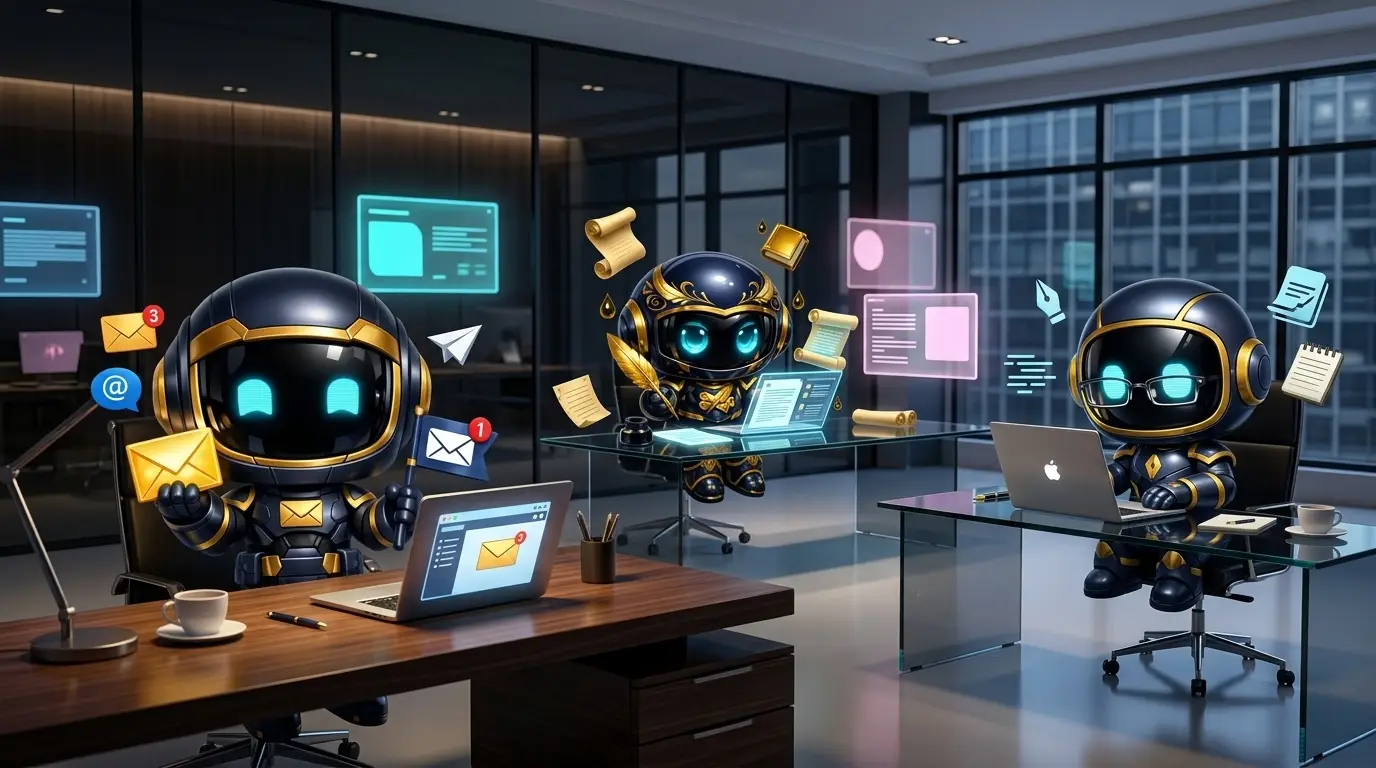
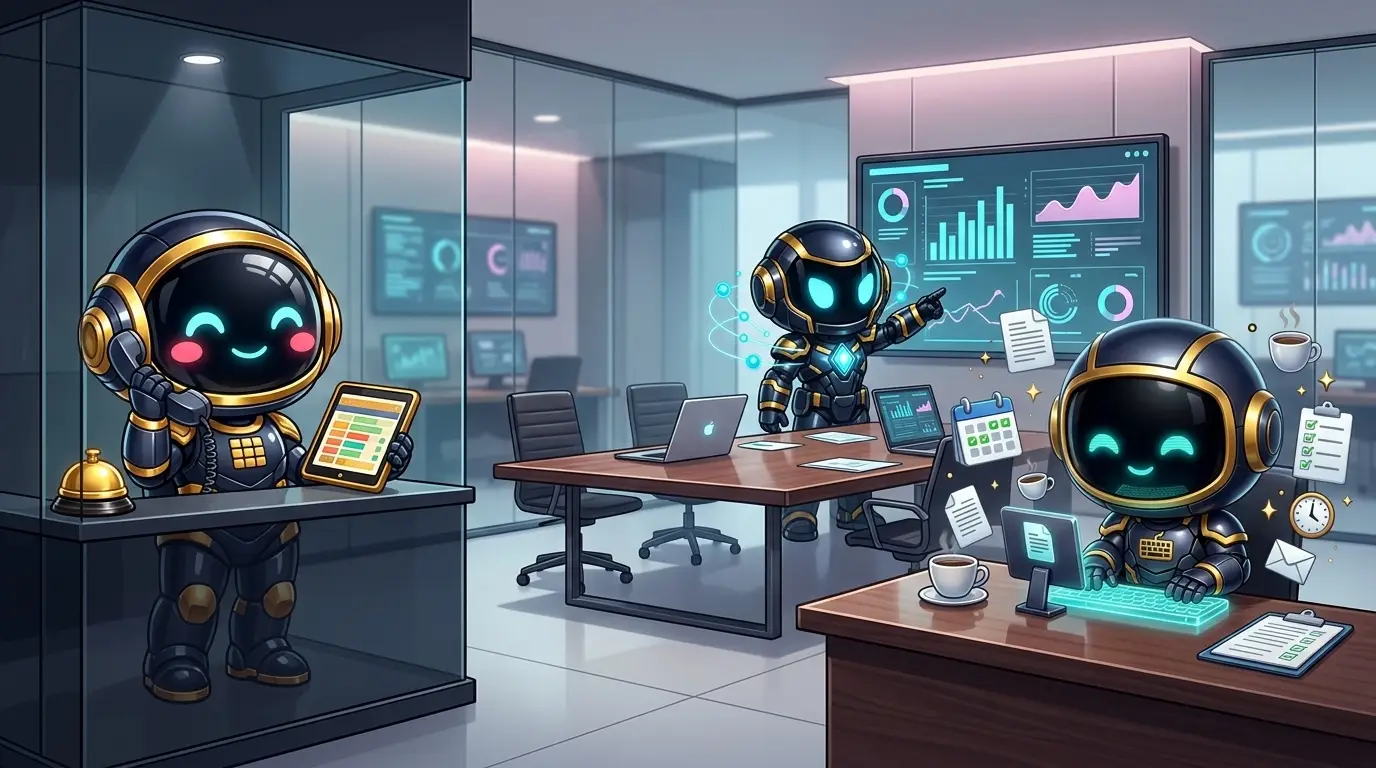
WorkMate OS gives you named mates for jobs such as inbox, bookings, accounts, sales and copy. They read and write one shared Brain, so a correction can stick between sessions. Your voice, tone and banned words are stored too.
You do not need to set up this model capability yourself. You are buying a working crew, not a blank screen. The crew handles the everyday work its connected jobs support. Its modules add depth where needed, including booking, invoicing, voice and studio work.
WorkMate does not give an AI unrestricted access to every account or let it press every button without supervision. Outward-facing work follows draft, review, send. You remain the owner who approves it.

What to do this week
Nothing, unless you can name a handover that keeps returning to your desk.
Pick one. Unanswered enquiries. Booking changes. Payment reminders. Trace where the information starts, where it gets stuck and what a safe finished result looks like. That is the useful question behind the release.
If the job is already inside WorkMate, the model news does not create a new setup task for you. If it is not, a more capable model does not make the workflow safe or connected by itself. It still needs a proper job, the right information and a clear approval boundary.