The sight test starts. Which messages can wait?
Your next patient is ready. The inbox has been filling while you were with someone else. A first sort can separate routine admin from messages that need your judgement, so important questions are easier to spot.
The inbox competes with the work only you can do
An optician’s inbox might hold an appointment reminder, a booking change, a question about glasses or a concern that needs a qualified person to read it. Sorting each message by hand pulls your attention away from patients, then back again.
The profession’s own survey gives a sense of the workload. The General Optical Council’s Registrant Workforce and Perceptions Survey 2025 found that 57% of optical registrants sometimes or frequently felt unable to cope with their workload in the previous year, and 66% said they worked beyond their hours. Those figures describe a broad workload problem. They do not show how long inbox sorting takes or how many calls or appointments are missed.
A first sort should make the next decision clearer
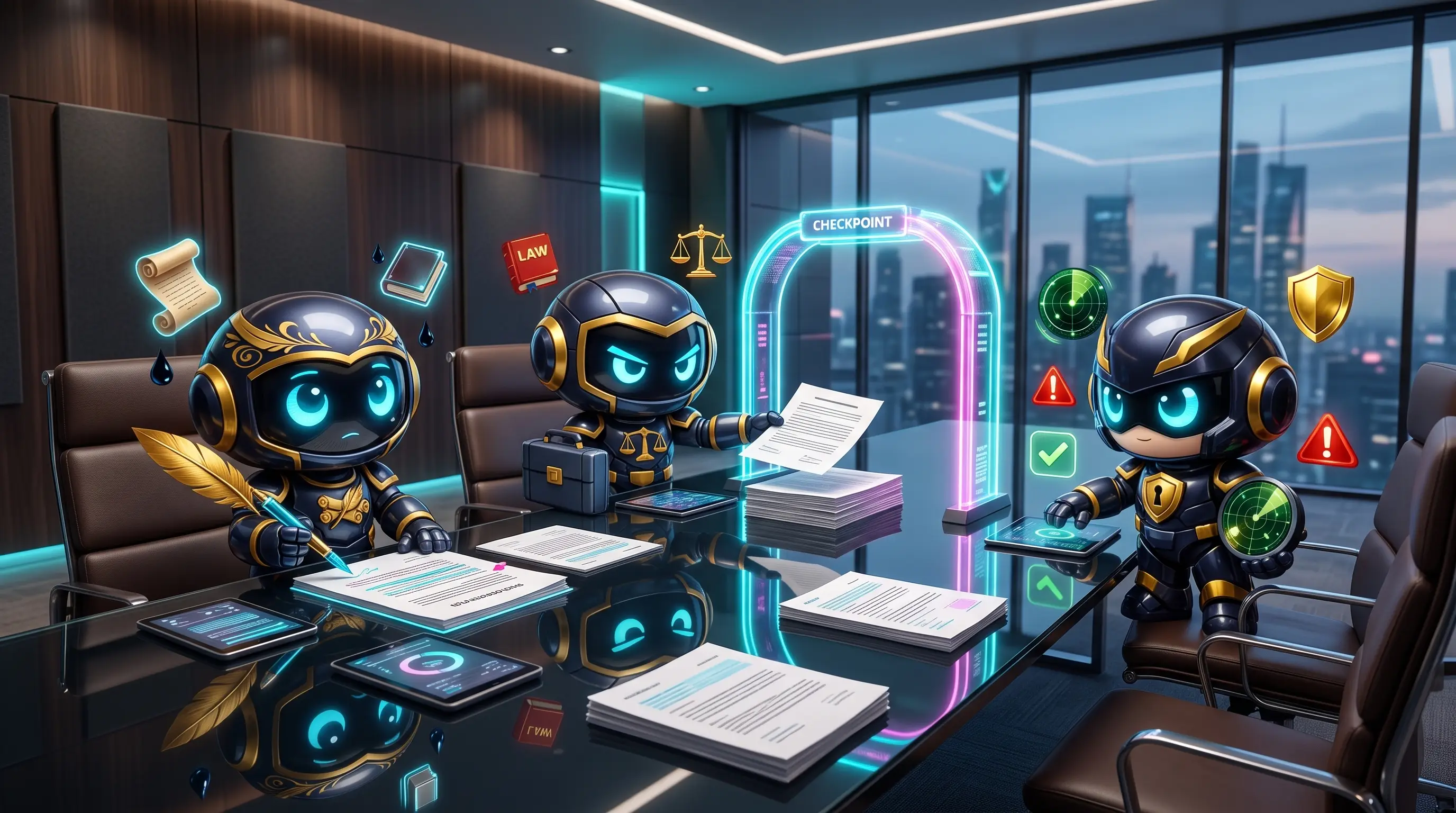
An inbox mate can group incoming messages by what they need: routine booking changes, general enquiries and messages to bring to someone’s attention. For a straightforward request, it can prepare a draft reply for the practice to review.
That’s triage. It isn’t clinical judgement. A qualified person must assess messages about symptoms, concerns after an appointment or anything that could affect care. The mate can flag those messages for review, but it shouldn’t interpret them or promise a clinical answer.
The WorkMate OS inbox mate is one of a crew of named AI teammates. They share one Brain, where practice details and corrections can carry between sessions. The brand kit can record the practice’s preferred tone and words to avoid. Replies follow a draft, review and send process, with the owner approving anything that goes out to a customer.

Keep the human part of the practice human
Patients should feel that someone who understands the practice has read a sensitive message. The crew can handle the first pass and prepare routine drafts. The optician or practice owner decides what to do with anything personal, unclear or clinically relevant.
When automation feels impersonal explores the same idea: convenience only matters if the customer still feels heard. In the inbox, that means spotting routine messages quickly and making room for a real conversation when one is needed.

What changes for an optician?
If you already use WorkMate OS, the inbox mate can take on this bottleneck. There’s no separate automation to install or configure. You get a clearer first sort and prepared drafts; the practice keeps the decision and the send button.
The workload figures don’t prove an inbox mate will solve staffing pressure. They do give a reason to look at the small interruptions that run past the end of the working day. AI doesn’t need to answer every patient. Seeing the right message sooner means spending less attention on deciding what can wait.

General Optical Council, Registrant Workforce and Perceptions Survey 2025. The survey figures describe optical registrants across the UK; they are not estimates of inbox time or missed appointments.