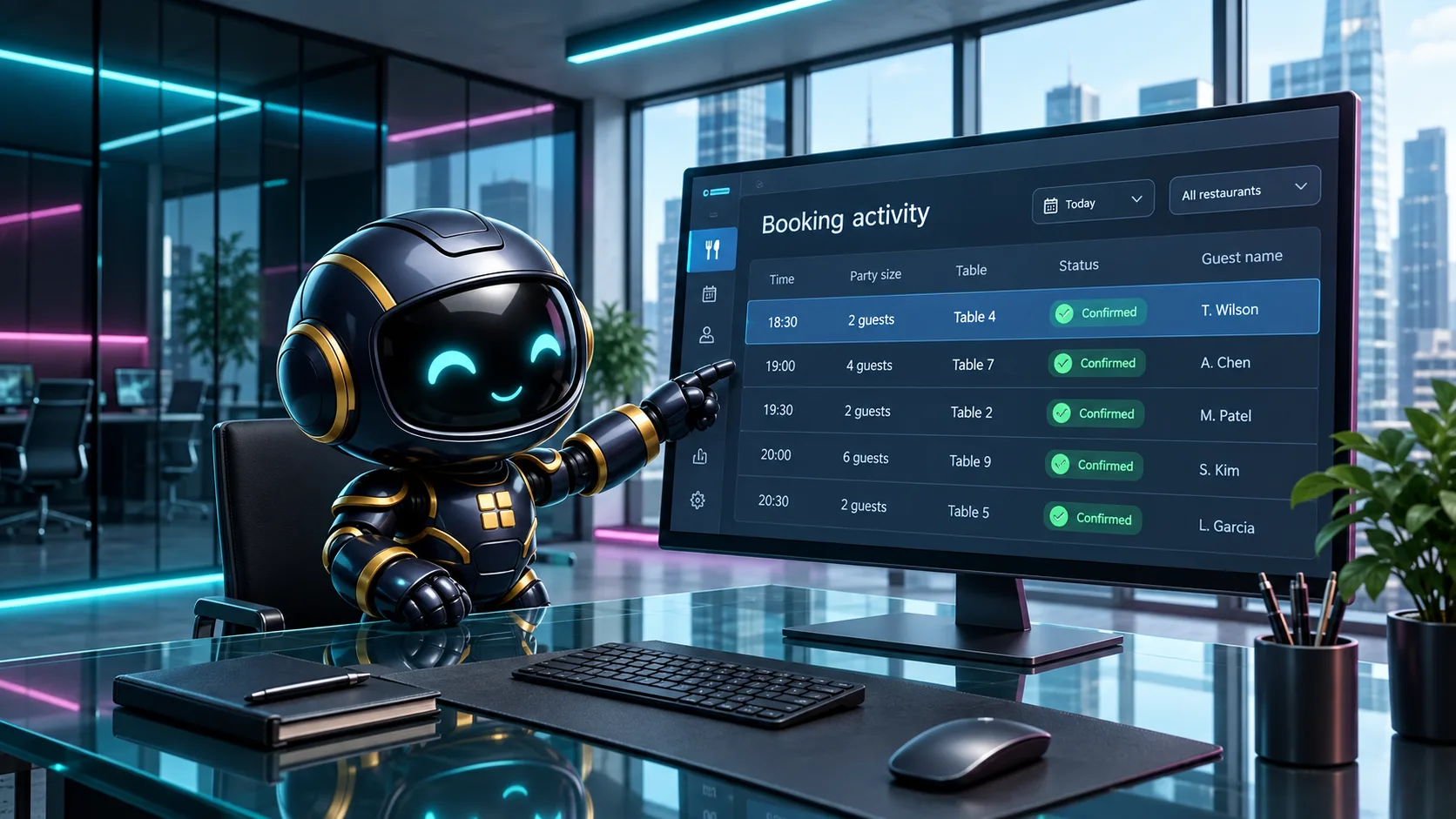
The table was free. The booking was still in your inbox.
A booking form that emails you has not booked a table. It has added a task for someone already managing the service.
Lunch is in full swing. A customer sends a booking request, and someone has to spot it, check the book, enter the party size and time, then confirm the table. The phone rings. Another table needs clearing. Until the message is handled, the customer does not know whether they have a table, and the restaurant cannot rely on the reservation.
An enquiry is not a reservation
Restaurants still take bookings through several channels. In its 2023 dataset from 400 restaurants using Tableo, UKHospitality found that 48% of reservations were processed online and 37% by phone. The report also noted that phone bookings took valuable staff time. Every channel adds work when someone has to reconcile it with the same book.
Many diners prefer to book online, but the process still needs to work for both sides. A 2025 survey of 1,500 UK adults by takepayments found that 54% preferred booking restaurant reservations online. In that survey, 12% said they had failed to show up for a booking. Of those who missed one, 15% said they had not cancelled because contacting the restaurant was too much effort. Staff need less booking admin, and diners need a clear way to confirm or cancel.
Make the booking reach the book
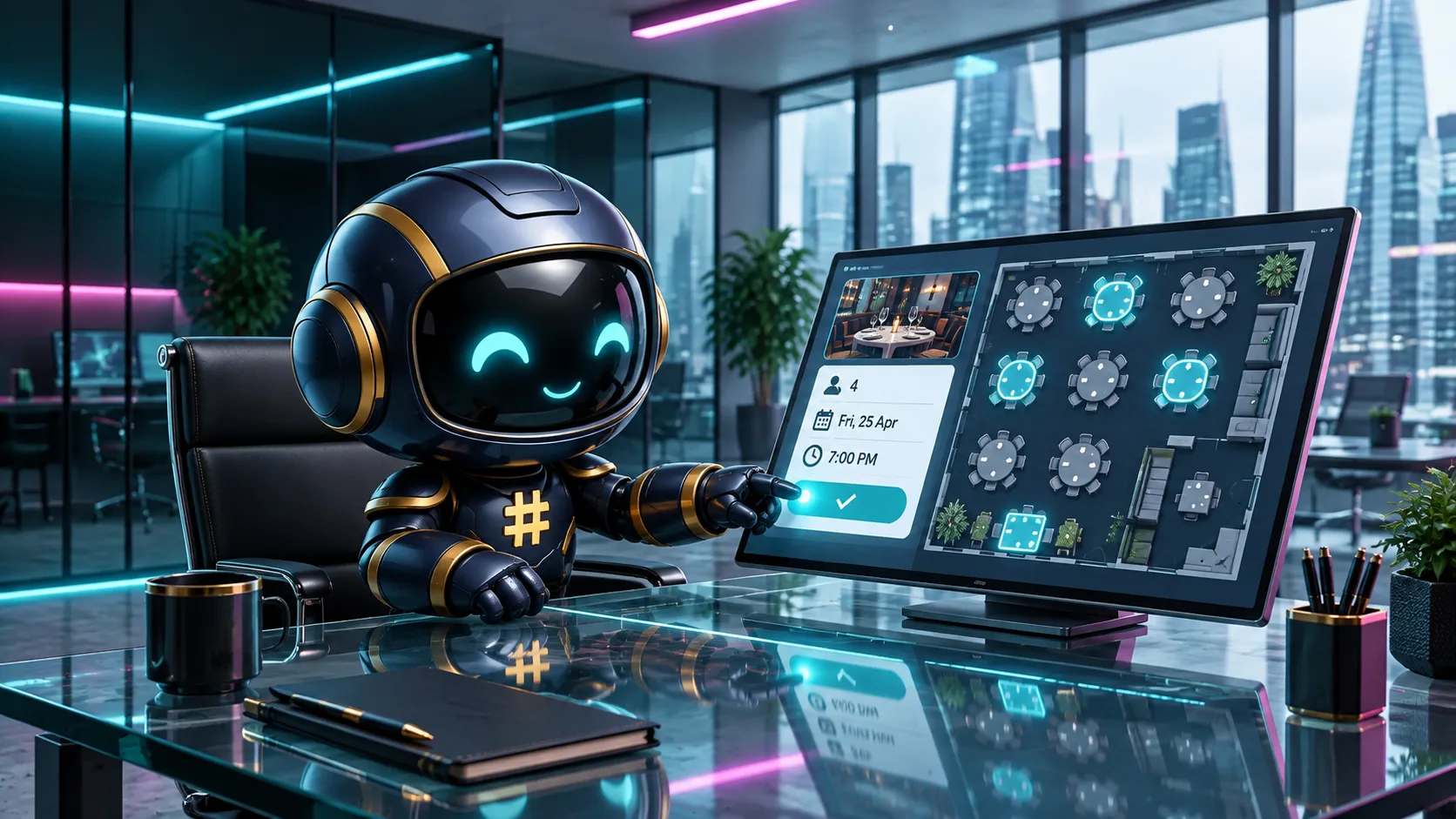
A useful booking flow checks the details, finds a suitable slot, records the reservation and sends the diner a clear confirmation. If information is missing or a request needs someone’s judgement, it should go to the owner or team to review. The system should not imply that a table is booked before it is.
Staff need to see what the customer requested, what was confirmed and what still needs attention. Then service can keep moving without someone having to remember to check a message during a quiet moment.
What changes with WorkMate OS
WorkMate OS is built around named teammates sharing one Brain. Its booking module is designed to take a request through availability, reservation and confirmation, rather than leave an enquiry in the owner’s inbox. Exceptions stay visible so a person can handle them.
Customer-facing work follows a draft, review and send process. The owner approves messages, and an activity log shows what ran and what it produced. For bookings, that gives the team a way to check that the system has not invented availability or confirmed a table the restaurant cannot honour.
The booking module is a product capability. Availability for a particular business may depend on the current launch offering. New applications are for WorkMate OS Launch Access.
Keep the human part of hospitality
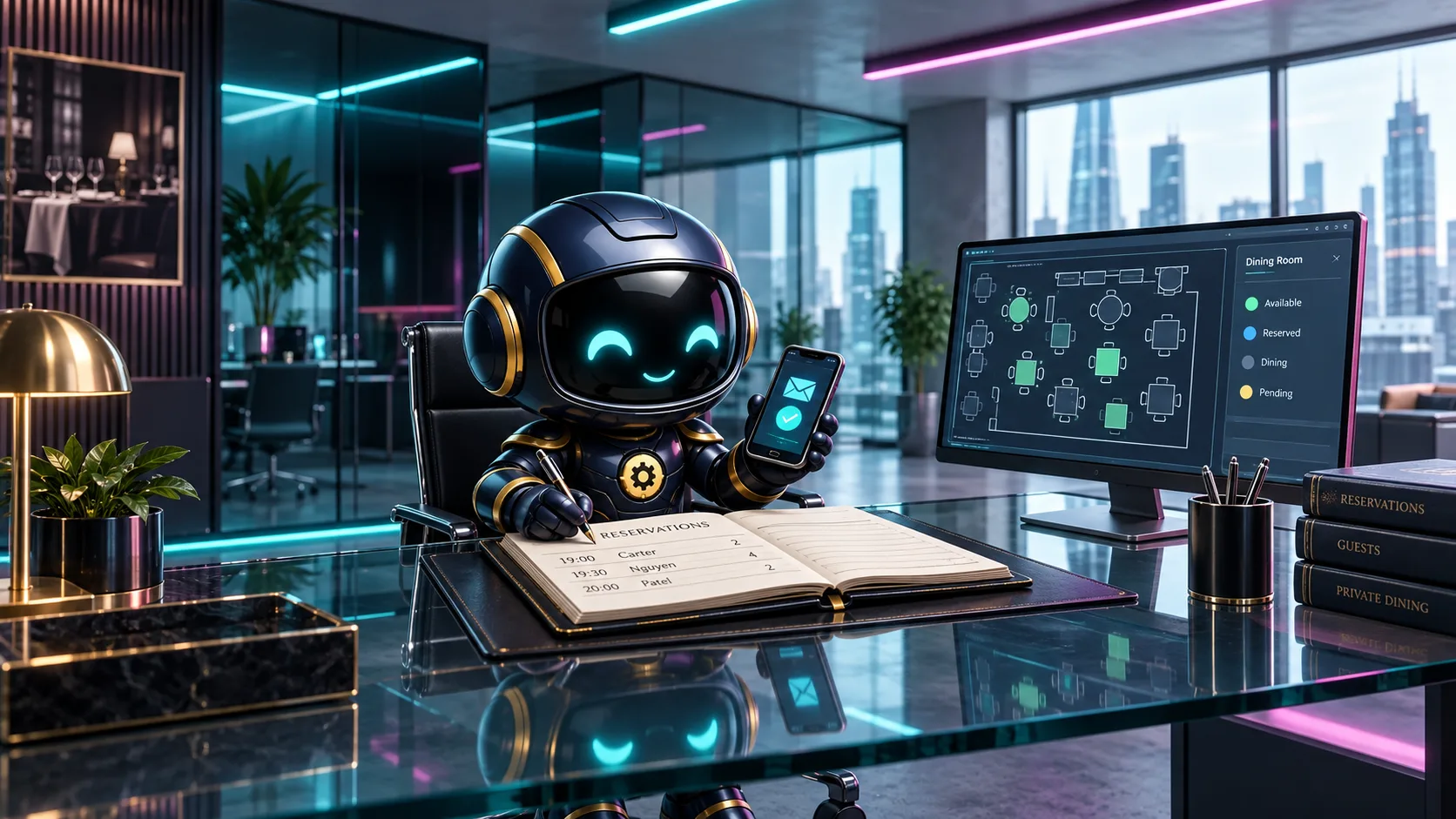
Automation cannot make a restaurant welcoming by itself. It can stop a customer waiting for a reply while the owner is serving, and keep a request from getting lost between the inbox and reservation book. Staff can focus on the guests in front of them and step in when a request needs a personal answer.
For more on a booking request that never reaches the calendar, read the booking that never made it onto the calendar. The handoff problem can happen across trades too. In a restaurant, the reservation book is where the promise to the diner becomes real.