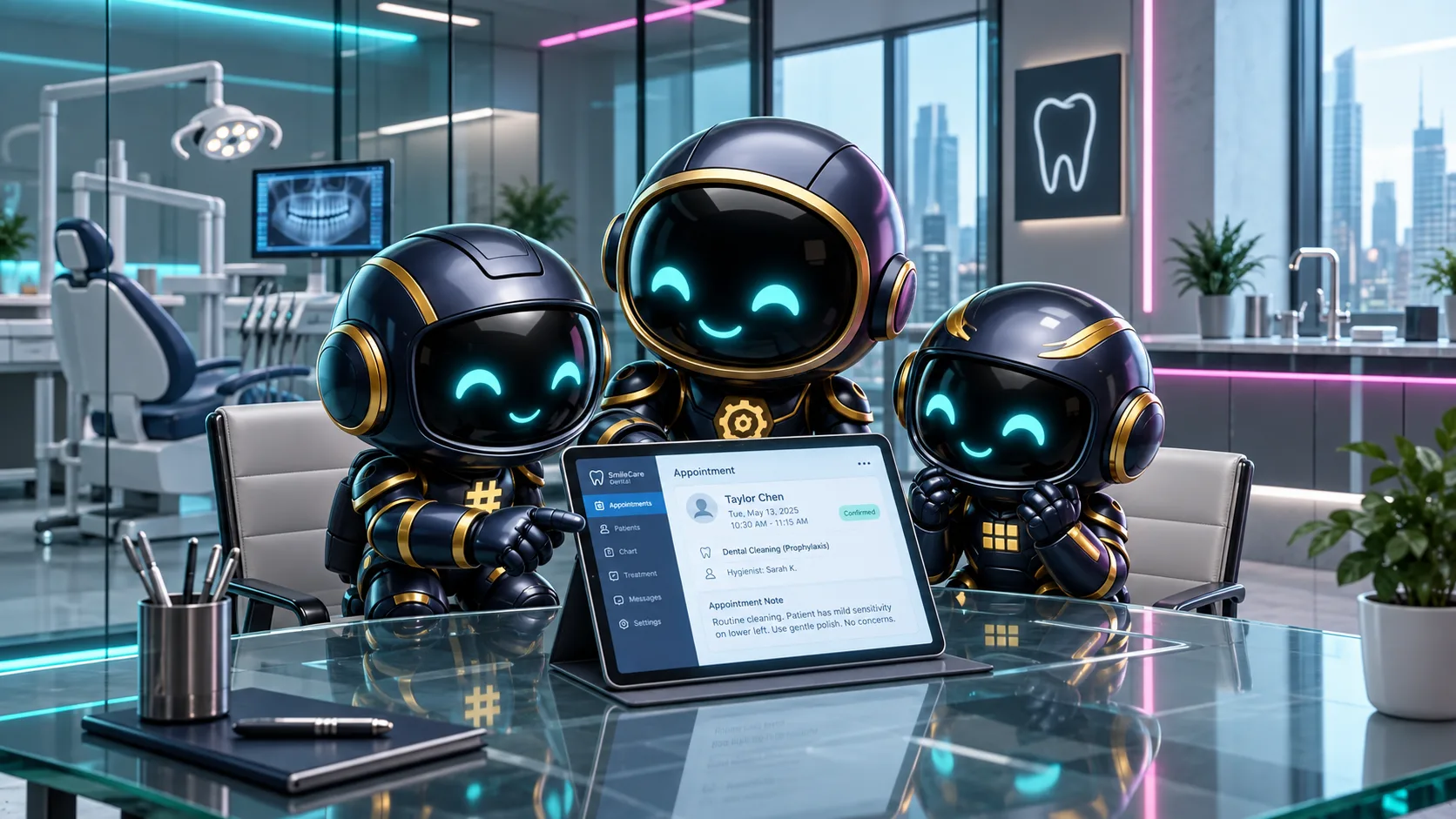
The dental practice correction that sticks.
A patient tells reception their preferred contact method has changed. Someone records it, then the next person needs to know. Otherwise, the practice may still use the old detail.
That correction can pass through a busy day: a call between appointments, a reminder being prepared, a message waiting for review. When each task starts from a separate conversation or note, staff have to repeat the information or remember where it was entered. It takes attention and leaves room for a mix-up.
One correction, repeated by hand
Reception updates a patient’s preference, then asks for help drafting a reminder. If the drafting assistant has not seen the change, someone has to explain it again. The same gap can crop up when another mate prepares a follow-up. The owner ends up connecting the pieces of work.
Staff shortages make that extra admin harder to absorb. In its August 2025 survey, the British Dental Association found that 85% of practice owners with vacancies had difficulty filling them. This figure measures recruitment difficulty, not time spent on notes. Still, it shows why repeated handovers can be costly when there may be no spare capacity to re-explain routine information.
What a shared Brain changes
WorkMate OS has named AI teammates that share one Brain. Record a fact once and it can be available to the inbox mate, bookings mate and copy mate. A correction can carry into later sessions, so the practice does not have to teach each mate the same preference from scratch.
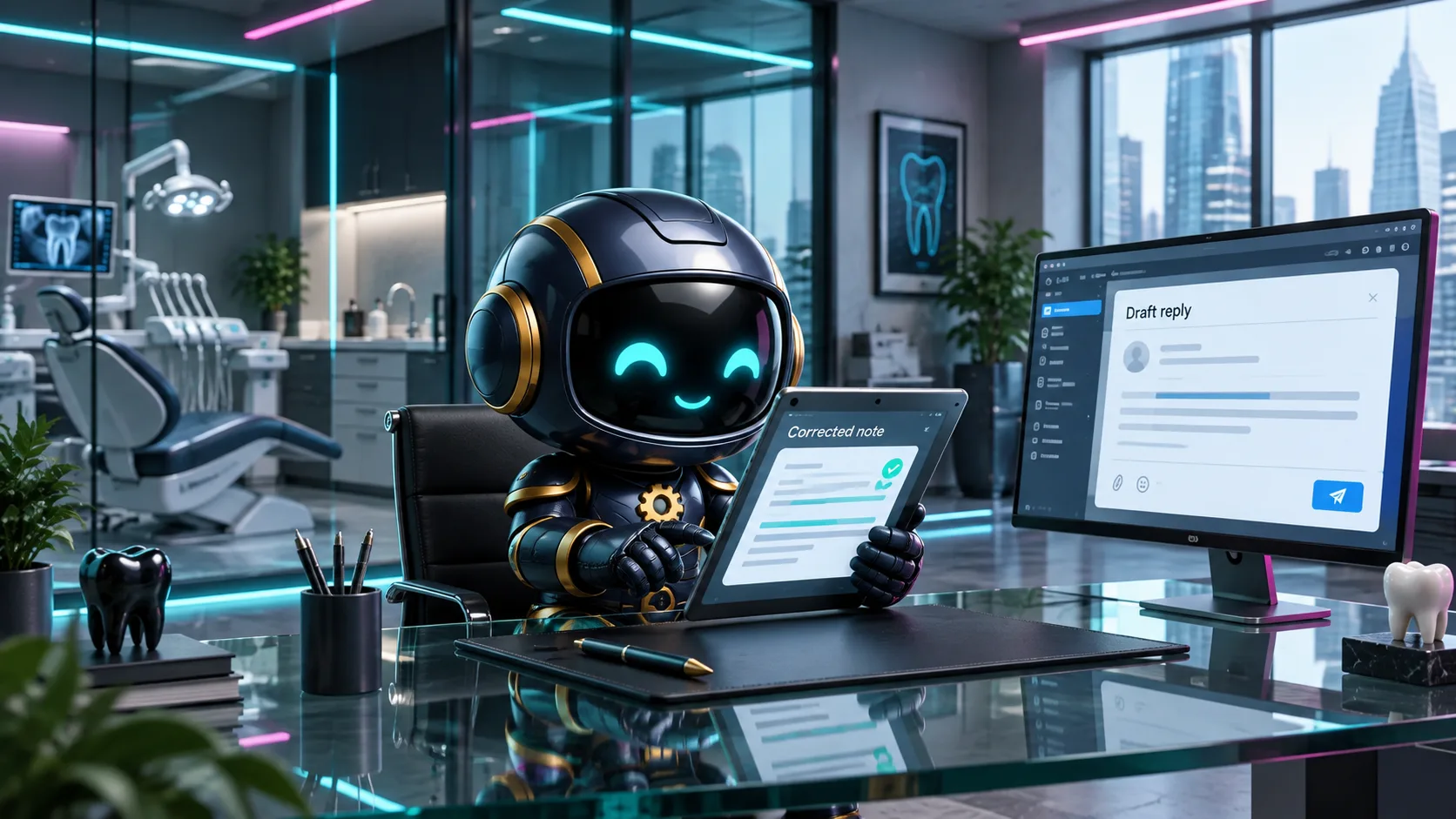
The bookings mate could use an updated contact preference when preparing appointment admin. The inbox mate could draw on it when drafting a response. Outward-facing work still follows draft, review and send: the owner approves each message and can check what ran and what it produced in the activity log.
The Brain is working memory for the crew. It does not replace the clinical record or make clinical decisions. Patient details that affect care belong in the practice’s proper record, where the team can check them.

Spend review time checking the draft
Messages still need attention. With the shared context in place, staff can spend review time checking whether a draft is right instead of rebuilding the background for every task.
An unanswered call creates a different problem: getting a response moving. We covered that in the call that arrives while the dentist is with a patient. Here, the patient has already shared the information. The challenge is carrying it forward.

Keep patient-facing work under practice control
Shared memory is useful when the information is accurate and someone checks what goes out. Keep clinical records in the systems your practice uses for them. Review messages before sending. If a shared note is wrong, correct it so the next task does not inherit the mistake.
For a small UK practice, consider how often staff repeat the same background because one task cannot see what another has already learned. If it happens regularly, shared working memory is designed to remove that extra explanation. The practice remains responsible for its records and decisions, especially when information is sensitive or clinical.
British Dental Association, evidence to the 2026–27 pay review (survey finding on practice vacancies).
WorkMate OS product description supplied for this article: shared Brain, review-before-send workflow and activity log.