Working late is not dedication. It is a queue nobody automated.
A clip doing the rounds this week makes a simple point: if you are working late every single night, that is not commitment, it is poor time management dressed up as hard work. For most small-business owners, the honest version is narrower still — the late nights are usually the same admin, over and over, that nobody ever took off your desk.
It is easy to hear "time management" and think the fix is a better calendar or an earlier alarm. That is rarely it. The businesses we talk to are not staying late because they are disorganised. They are staying late because the inbox, the bookings, and the invoice chasing only get done when the owner personally sits down and does them — and the working day was already full before any of that started.
The test: is this actually your job, or just the job nobody else does
Before blaming your own habits, separate two very different things. There is work only you can do — quoting a tricky job, deciding on a big supplier, having the awkward conversation with a client. And there is work that anyone competent could do if they had the context: replying to a routine enquiry, confirming a booking, chasing an unpaid invoice for the third time.
The second kind is what fills most late evenings. It has a right answer, it follows a pattern, and it eats time rather than judgement — and time is exactly what runs out first.

What a crew already handles, without you sitting up for it
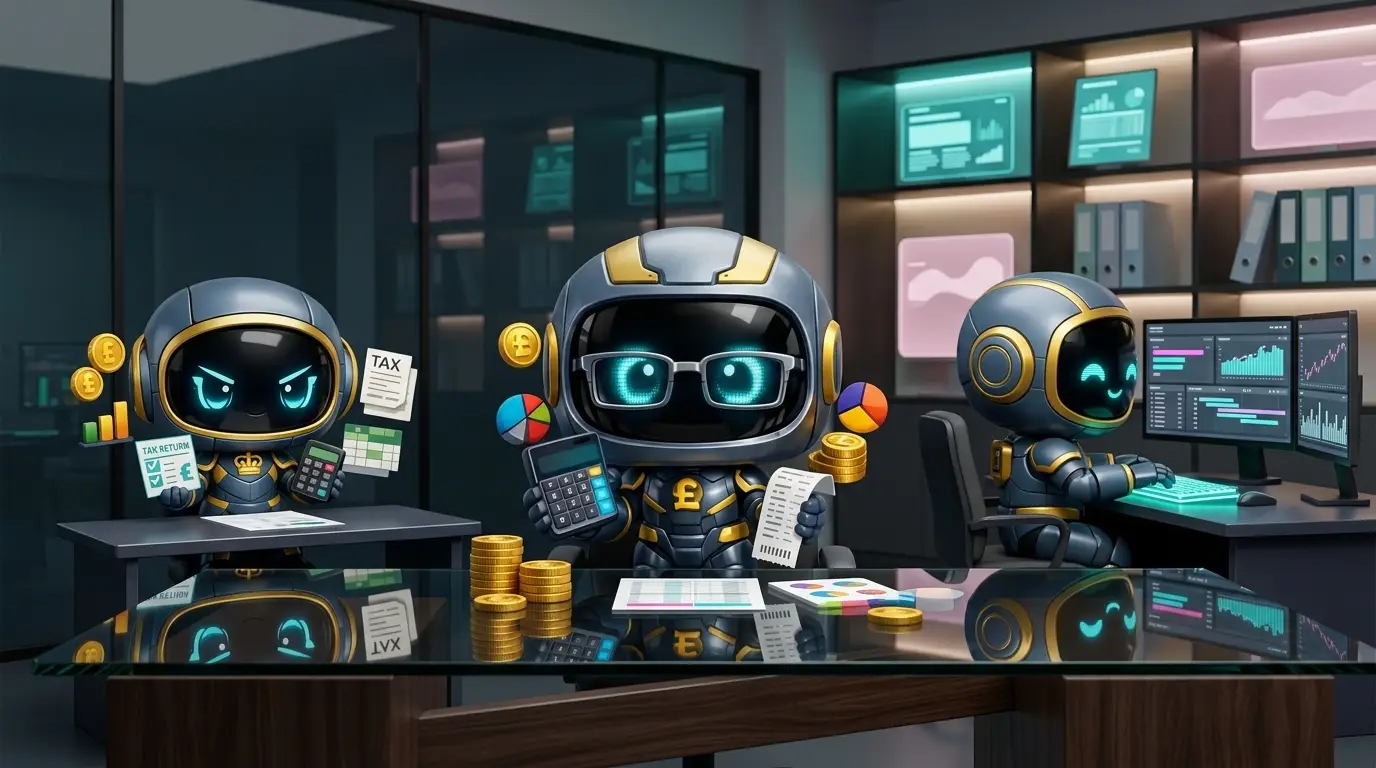
This is where WorkMate answers the specific question, not the general one. A WorkMate crew is a set of AI teammates that work through the routine reading-and-replying jobs that tend to eat the evening: triaging what came into the inbox, replying to booking requests, chasing overdue invoices, and keeping the brand voice consistent while doing it. Every outward-facing message still follows draft, then review, then send — you see it before a customer does.
None of that needs to happen at 9pm because you finally had a quiet moment. It happens through the day, logged so you can see exactly what was done and when, and it is waiting for your approval rather than waiting for you to find time to start it.
Why this is not the same as "just automate everything"
The clip's second point matters here too: late nights that come from avoidance, not workload, will not be fixed by a tool. If the real issue is that you cannot bring yourself to decide, hand off, or delegate, adding a crew changes nothing — you will just find something else to stay late for. The fix that actually works is narrower: identify the two or three repeating tasks that steal your evening, and let those specifically be handled elsewhere, while you keep the decisions that genuinely need you.

How to test whether this fits your evenings
Try one week. Write down what you actually did after 6pm each day. Sort it into "only I could do this" and "anyone with the context could have done this." Most owners find the second pile is bigger than they expected — and it is exactly the pile a WorkMate crew is built to take on.
If you want a gentler starting point, we wrote about planning a Monday in one hour instead of the usual half-day scramble, and about why everything ends up back on your desk in the first place. Both sit close to this one.

The honest answer
You do not need to overhaul how you work to stop working late. You need the repeating, low-judgement tasks off your desk — and that part is already inside a WorkMate crew, working through the day rather than waiting for your evening.