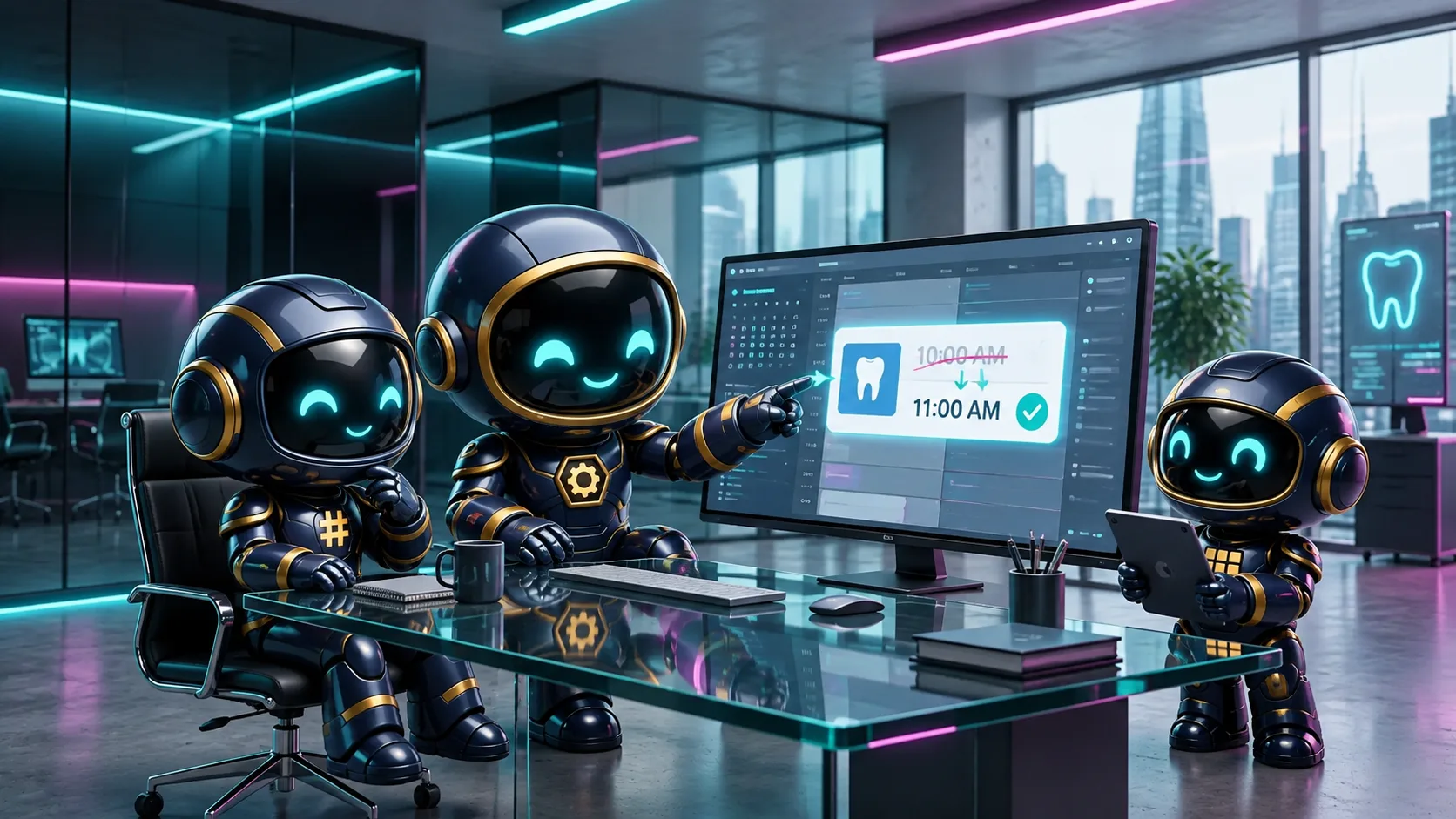
The appointment detail changed. Did every mate hear?
A patient calls with an appointment change. Someone updates the diary, but the inbox template and follow-up note still show the old details. The patient has to explain the change again, and staff spend time checking which version is right.
One correction, several places to remember
It often happens during a busy clinic day. A patient changes their contact preference or corrects a practical detail about their visit. The person taking the call makes a note. Later, someone answering the inbox, confirming the appointment or preparing a follow-up has to find it and check that it is current.
Practice teams are under pressure. In its 2025 survey, the British Dental Association reported that 70% of practice owners said staffing, recruitment and retention issues were causing them stress. In a stretched team, every handover gives an outdated detail another chance to stick around.
The problem is familiar from a correction that does not stick. The change might live in someone’s head, a message or one part of the practice’s records. Often, the owner or receptionist has to connect the pieces.
What a shared Brain changes
WorkMate OS is a crew of named AI teammates, each with a different job. They all read and write to one shared Brain. Once a correction is stored there, the rest of the crew can use it, even in a later session. If the detail changes again, that correction can be saved too.
The inbox mate preparing a draft and the bookings mate could then work from the same appointment details instead of separate instructions. The owner can check the activity log to see what ran and what it produced.

This covers administrative information. An AI mate does not make clinical judgements, and the Brain should not be treated as a clinical record. Keep patient records and clinical decisions in the systems and processes the practice already relies on.
Review still belongs to the practice
Shared memory can help the crew avoid repeating an old instruction. It cannot guarantee that every draft is right. WorkMate’s outward-facing process is draft, review, send. The owner approves a message before it goes out.
For an appointment message, a staff member can check the draft against the current details and the practice’s rules. The crew can carry context between jobs, but the practice remains responsible for what it tells a patient.

What the appointment figures tell us
In a survey of Cornwall and Isles of Scilly practices, NHS Cornwall and Isles of Scilly found that 21 of 22 responding practices said missed appointments or short-notice cancellations were a problem. All respondents used reminders, yet only 11.11% allowed patients to reschedule through an online portal. These are local survey results, not a UK-wide estimate.
The research looks at attendance and rescheduling, not shared AI memory. It shows why appointment information needs to be easy to find in day-to-day practice work. A shared Brain is designed to help with handovers between admin jobs. Check how it fits your systems and processes before relying on it.
To reduce admin handovers, start by noting which appointment details get repeated and where they live now. If several people or tools need the same correction, a shared Brain could address that gap. First check whether your team can reliably find the current detail.
For more on how a correction can persist across a team, see the correction every mate needs.